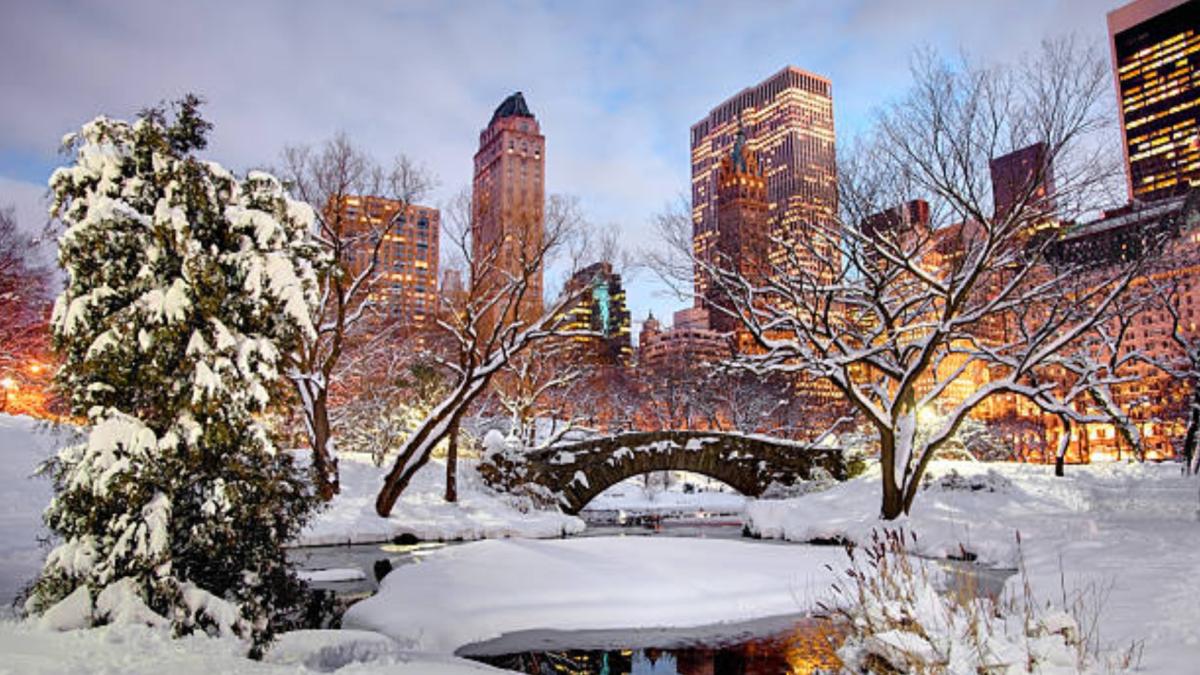
NYC Blizzard Survival Guide: Navigating Travel Bans & Whiteouts as Nieve Nueva York Hoy Grips the City
New York City is currently under the fierce grip of a powerful blizzard, transforming the iconic urban landscape into a scene of swirling whiteouts and treacherous conditions. As heavy snowfall, at rates of up to three inches per hour, combines with relentless wind gusts exceeding 60 mph, authorities have enacted critical measures, including travel bans and school closures, to ensure public safety. For millions of New Yorkers and those traveling to the region, understanding the immediate threats and necessary precautions is paramount. The situation regarding nieve nueva york hoy is far from ordinary, demanding serious attention and preparedness.
Understanding the Blizzard Warning: What's Happening in NYC Right Now
The National Weather Service has issued a severe Blizzard Warning for portions of southern Connecticut and southeast New York, including the entirety of New York City, Long Island, and parts of New Jersey. This isn't merely a heavy snow event; a blizzard warning signifies severe winter weather conditions where falling and blowing snow with strong winds lead to whiteout conditions, making travel extremely dangerous and potentially life-threatening. The warning is expected to remain in effect until late this evening, signaling an extended period of hazardous weather.
Current forecasts indicate additional snow accumulations of between 9 and 12 inches are possible, piling on top of what has already fallen. This brings the potential total snowfall for the event up to a staggering 24 inches in some areas. Compounding the snowfall are powerful winds, with gusts reaching as high as 55 mph, and in some localized areas, even exceeding 60 mph. These winds are not just uncomfortable; they are a major contributor to the whiteout conditions, where visibility can drop below a quarter-mile, making it impossible to see the road or even your immediate surroundings.
The immediate impacts are already being felt across the region. Travel is rendered incredibly difficult, if not impossible, and authorities are explicitly advising against any non-emergency movement. The combination of heavy, wet snow and strong winds also poses a significant threat to infrastructure. The weight of snow on tree limbs can cause them to break, bringing down power lines and leading to sporadic but potentially widespread power outages. This blizzard is a stark reminder of winter's raw power and the need for extreme caution. For a deeper dive into the specifics of the storm's intensity, read our related article: New York Under Blizzard Warning: Up to 24 Inches of Snow, 60+ MPH Winds.
Travel Chaos and City-Wide Shutdowns
In response to the escalating severity of the blizzard, New York City Mayor Zohran Mamdani took decisive action, decreeing a travel ban across the city. This critical measure, implemented from Sunday at 9 p.m. until Monday at noon, means that all non-essential vehicle travel is prohibited, and violations can result in significant fines. The purpose of such a ban is to keep roads clear for emergency services and sanitation crews, whose work is vital during such a storm, and to prevent individuals from becoming stranded in life-threatening conditions. Adherence to this ban is not just a legal requirement but a crucial safety precaution.
The impact of this powerful winter storm extends far beyond the roads. New York City public schools have announced their closure for Monday, marking the first full snow day since 2019 – a significant event for students, parents, and teachers alike. This closure underscores the hazardous conditions and the city's commitment to ensuring the safety of its youngest residents and those who commute to schools.
Air travel has also been severely disrupted. Major airports serving the New York metropolitan area – JFK, Newark, and LaGuardia – have reported massive cancellations and delays. Over 1,600 flights have been canceled, and more than 200 flights are experiencing significant delays, leaving thousands of travelers stranded or altering their plans. The severe weather conditions, including whiteouts and high winds, make air operations unsafe and necessitate these widespread disruptions. The hazardous conditions are expected to significantly impact both the Monday morning and evening commutes, even for those who typically rely on public transportation, which may experience delays and reduced service. For more detailed information on the travel impacts and city responses, check out: NYC Blizzard Alert: Travel Ban, School Closures & Flight Chaos.
Essential Survival Tips: Staying Safe During the Whiteout
When a blizzard descends upon a city as vibrant as New York, preparedness is your greatest ally. While the picturesque sight of nieve nueva york hoy might tempt you outside, prioritizing safety is paramount. Here are essential tips to navigate the storm successfully:
Before the Blizzard Strikes:
- Stock Up: Ensure you have at least a three-day supply of non-perishable food, bottled water, and any necessary medications. Don't forget pet food!
- Charge Everything: Fully charge cell phones, laptops, and any other battery-powered devices in anticipation of potential power outages.
- Winter Survival Kit: Assemble an emergency kit for your home and car. Include flashlights, extra batteries, a first-aid kit, blankets, a portable charger, a shovel, rock salt or sand, and a whistle.
- Fuel Up: If you have a car, keep your gas tank at least half full in case of emergencies or extended power outages.
During the Whiteout:
- Stay Indoors: Obey all travel bans and official advisories. Avoid non-essential travel. The conditions outside are not only dangerous for you but also put emergency responders at risk if they need to assist you.
- If Power Goes Out:
- Dress in layers, use blankets, and close off rooms to conserve heat.
- Never use a gas stove, oven, or charcoal grill for heat indoors, as this poses a severe risk of carbon monoxide poisoning.
- Use flashlights or battery-powered lanterns instead of candles to minimize fire risk.
- If Stranded in Your Vehicle:
- Stay with your vehicle; it provides shelter.
- Tie a bright cloth to your antenna to signal for help.
- Run the engine for about 10 minutes every hour for heat, ensuring your exhaust pipe is clear of snow to prevent carbon monoxide buildup. Crack a window slightly for ventilation.
- Use items from your winter survival kit.
- Check on Neighbors: Especially the elderly, those with medical conditions, or anyone who might need assistance. A quick phone call or a safe, bundled walk (if conditions allow) can make a significant difference.
- Pet Safety: Bring all pets indoors. They are just as susceptible to extreme cold as humans.
Remember to rely on official channels for updates and assistance. New York City emergency services and resources are available; know how to access them if needed.
The Hidden Dangers: Beyond the Snowfall
While the immediate spectacle of heavy snow and howling winds captures attention, a blizzard in a dense urban environment like NYC carries deeper, more insidious threats. One of the most significant hidden dangers is the risk of widespread power outages. The sheer weight of accumulation, combined with high winds, can cause tree limbs to snap and bring down power lines, plunging neighborhoods into darkness and cold. For residents reliant on electricity for heat, cooking, or medical equipment, this can quickly become a critical situation.
Moreover, the intense cold and exposure risks are amplified for the city's most vulnerable populations. As one source grimly highlighted, even before the snow began, the bitter cold claimed the lives of several New Yorkers experiencing homelessness. Mayor Mamdani himself emphasized the potentially fatal consequences for those without shelter, underscoring the tragic human cost that often accompanies severe weather events. While many New Yorkers find joy in the rare opportunity to snowboard in Central Park or gather in open bars, the harsh reality for others is a desperate struggle for survival against the elements. The city's sanitation and emergency employees work tirelessly to clear roads and provide assistance, but the scale of the challenge is immense.
The beauty of the fresh snow can be deceptive. Hypothermia and frostbite are real and present dangers for anyone exposed to the cold for too long, even if they are well-dressed. Recognizing the signs and seeking immediate shelter are vital. This blizzard is not just a weather phenomenon; it's a test of the city's resilience and its commitment to protecting all its residents, especially when the conditions outside are life-threatening.
Conclusion
As the powerful blizzard continues to sweep through New York City, bringing unprecedented levels of nieve nueva york hoy, it demands our full attention and respect. From widespread travel bans and canceled flights to school closures and the very real threat of power outages and hypothermia, the storm's impact is profound. By staying informed, adhering to official advisories, and practicing diligent preparedness, New Yorkers can navigate these treacherous conditions safely. While the city's emergency services and sanitation crews work tirelessly to restore normalcy, individual responsibility and community vigilance remain our strongest defenses. Stay safe, stay warm, and let's weather this storm together, remembering the resilience that defines New York.