New York City Under Siege: A Blizzard's Unrelenting Grip Triggers Travel Bans, School Closures & Flight Chaos
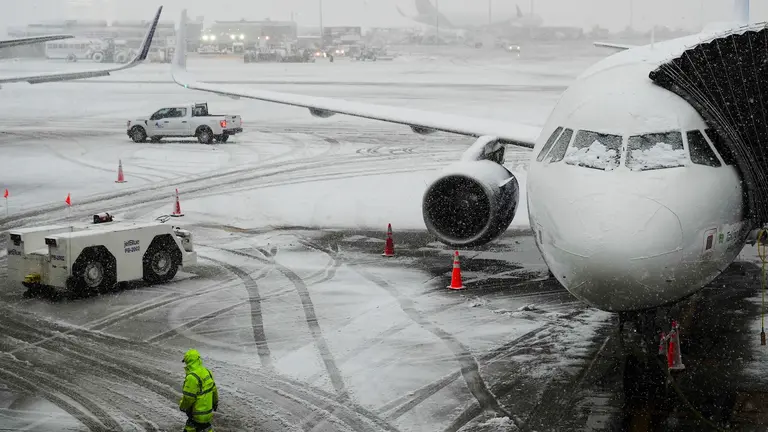
New York City is currently locked in the formidable grip of a powerful winter storm, transforming its iconic landscape into a treacherous, snow-laden tableau. As residents wake up to significant "nieve nueva york hoy" (snow in New York today), authorities have swiftly implemented severe measures, including citywide travel bans, school closures, and widespread flight cancellations, all aimed at protecting lives amidst the blizzard's fury. This isn't just a heavy snowfall; it's a genuine blizzard event, bringing with it conditions that are both beautiful and incredibly dangerous.
From the bustling streets of Manhattan to the expansive stretches of Long Island and neighboring New Jersey, communities are bracing for sustained impact. Emergency declarations are active, urging everyone to stay indoors and off the roads. The blizzard warning, which remains in effect until Monday evening, paints a clear picture of the challenges ahead: whiteout conditions, near-zero visibility, and the very real threat of power outages. Navigating this storm requires not just patience but also rigorous preparedness and community vigilance.
The Blizzard's Fury: What New Yorkers Are Facing
Unprecedented Snowfall and Gale-Force Winds
This isn't your average winter flurry. The storm has unleashed relentless snowfall, reaching rates of up to 3 inches per hour in some areas, quickly blanketing the metropolitan region. Forecasters predict total accumulations could reach a staggering 22 to 24 inches before the blizzard subsides. Accompanying this heavy snow are ferocious winds, gusting at speeds exceeding 60 miles per hour, turning falling snow into a blinding, wind-driven phenomenon. These extreme conditions are what define a true blizzard warning, issued by the National Weather Service for southern Connecticut and southeast New York, including key areas like Central Park, Manhattan.
The combination of heavy snow and powerful gusts creates perilous whiteout conditions, reducing visibility to less than a quarter-mile. Such circumstances make travel treacherous, even life-threatening, as road markers vanish and familiar landscapes become indistinguishable. Beyond the immediate visibility concerns, the sheer weight of the snow coupled with the strong winds poses a significant threat to infrastructure. Tree limbs are at risk of snapping, potentially bringing down power lines and leading to widespread, sporadic power outages across the affected region.
Emergency Declarations and Public Safety Measures
In response to the severity of the storm, both New York and New Jersey authorities have taken decisive action, activating states of emergency. NYC Mayor Zohran Mamdani declared a critical travel ban for New York City, effective from Sunday 9 p.m. until Monday noon. This mandate isn't merely a suggestion; it's a critical safety measure designed to keep roads clear for emergency services and sanitation crews, whose work is vital in such extreme conditions. These declarations also serve to remind the public of the extensive resources available for assistance and guidance during the crisis.
The blizzard warning itself carries a strong recommendation: "Travel should be restricted to emergencies only." It emphasizes the potential for travel to become very difficult to impossible, with hazardous conditions impacting both morning and evening commutes. Residents are advised to prepare according to instructions, ensuring they have necessary supplies and are ready to weather the storm from the safety of their homes. For more detailed preparation, refer to our NYC Blizzard Survival Guide: What to Know Amid Travel Bans & Whiteouts.
Travel Grinds to a Halt: Bans, Closures, and Airport Chaos
Citywide Travel Ban Enforced
The Mayor's proactive travel ban means that non-essential vehicular movement on city streets is prohibited during the specified hours. This stringent measure is crucial for allowing plows to clear roads effectively and for emergency vehicles to respond without impediment. While inconvenient for many, it's a necessary step to prevent accidents and ensure the safety of both residents and first responders. Public transportation services may also be affected, with delays and cancellations likely across subway, bus, and commuter rail lines. Checking real-time updates from the MTA is strongly advised for anyone considering essential travel.
Schools Shut Down Across NYC
Another major impact of the blizzard is the complete closure of all New York City public schools for Monday. This marks the first full snow day for the city since 2019, underscoring the extraordinary nature of this particular winter event. For parents and students, this means adjusting routines, often on short notice, and finding alternative arrangements. While it offers a rare day off for many children, it also highlights the significant disruption extreme weather can cause to daily life and the economy.
Air Travel Nightmare
The blizzard's impact extends far beyond city streets, wreaking havoc on air travel across the tri-state area's major airports. John F. Kennedy (JFK), Newark Liberty (EWR), and LaGuardia (LGA) airports have become hubs of disruption, reporting more than 1,600 flight cancellations and over 200 delays. Travelers with flights scheduled through these airports are strongly advised to contact their airlines directly for the latest information on flight status. Attempting to travel to the airports without confirmed flight information is highly discouraged due to dangerous road conditions and the likelihood of further cancellations.
Navigating the Storm: Essential Safety Tips & Resources
Staying Safe at Home
With the travel ban in effect and blizzard conditions persisting, the safest place to be is indoors. Here are some critical tips:
- Emergency Kit: Ensure you have a well-stocked emergency kit including flashlights, extra batteries, a battery-powered radio, first-aid supplies, a few days' supply of non-perishable food and water, and any necessary medications.
- Stay Warm: Dress in layers, keep your home adequately heated, and be mindful of fire safety if using alternative heating sources. Ensure proper ventilation to prevent carbon monoxide poisoning.
- Charge Devices: Charge all cell phones, laptops, and power banks in advance of potential power outages.
- Conserve Energy: If power goes out, limit opening your refrigerator/freezer, and consolidate your family to one room to conserve heat.
- Stay Informed: Monitor local news and official alerts for updates on the storm's progress and any changes to safety advisories.
If You Must Travel
As the Blizzard Warning explicitly states, travel should only be for emergencies. If you absolutely cannot avoid it:
- Winter Survival Kit: Carry a fully equipped winter survival kit in your vehicle. This should include blankets, a shovel, sand or kitty litter for traction, jumper cables, and extra warm clothing.
- Stay with Your Vehicle: If you get stranded, stay with your vehicle. It offers the best shelter and makes it easier for rescuers to find you.
- Check Road Conditions: Always check local Department of Transportation (DOT) information services for the latest road conditions before venturing out.
Helping Vulnerable Populations
The severe cold and extreme weather pose an immense threat, particularly to the city's most vulnerable. Mayor Mamdani's somber reminder about the fatalities among unhoused individuals before the snow even began underscores the deadly nature of these conditions. It's crucial for the community to rally together:
- Check on Neighbors: Especially elderly or isolated individuals who might need assistance.
- Report Concerns: If you see someone struggling in the cold or needing shelter, contact city services immediately (e.g., 311 in NYC).
- Support Shelters: Consider donating to or volunteering with organizations that provide shelter and support for the homeless.
Beyond the Blizzard: Community Response and Future Outlook
The Human Cost of Extreme Weather
While some New Yorkers, known for their resilience, found moments of joy, like sledding down snowy hills or retreating to cozy bars, the storm carries a grave human cost. The revelation that at least five unhoused New Yorkers perished due to the intense cold even before the snow fully hit serves as a stark reminder of the underlying vulnerabilities exposed by extreme weather events. These tragedies highlight critical gaps in support systems and underscore the urgent need for robust social safety nets during such crises. The initial reports of fatalities have sadly shown how quickly a cold snap can turn into one of the city's deadliest weather disasters, with the death toll potentially rising in the days and weeks that follow.
A City United Against the Storm
Despite the challenges, the spirit of New York City shines through. Mayor Mamdani lauded the tireless efforts of sanitation workers and emergency personnel, who are on the front lines, battling the elements to keep the city safe and operational. Their dedication is paramount in clearing roads, restoring power, and responding to emergencies. The sight of snowboard legend Shaun White pulling off stunts in Central Park, while a unique spectacle, also symbolizes a city that, even amid adversity, finds ways to engage and endure.
As the blizzard eventually recedes, the focus will shift to recovery. This includes continued efforts to clear snow, address infrastructure damage, and ensure that all residents have access to necessary support. The incident serves as a powerful testament to the unpredictability of nature and the enduring strength and preparedness of a community that consistently rises to meet the challenge, no matter how much "nieve nueva york hoy" brings.
As New York City navigates this intense blizzard, the message remains clear: stay safe, stay informed, and look out for one another. The combined efforts of city authorities, emergency services, and every conscientious resident will be key to weathering this formidable winter storm and emerging resilient on the other side. Continue to monitor official channels for updates and adhere to all safety advisories as conditions evolve.